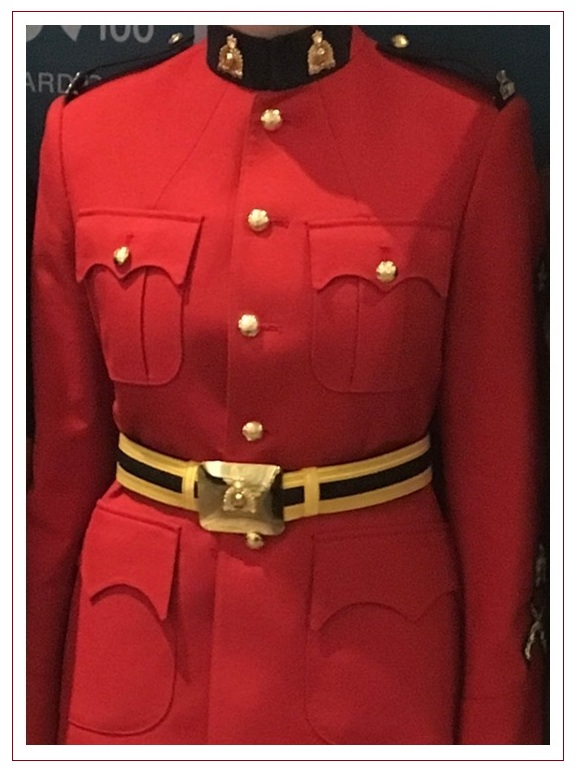
Red Serge

"Maintiens le droit"

Uphold the Right

Red Serge
The RCMP Scarlet Tunic: Red Serge. A Google photo

Access to Information Requests
Filed Pursuant to the Access to Information Act, R.S.C. 1985, c. A-1
February 28, 2026

In the matter of civilians allowed to wear the RCMP Red Serge, I appreciate the patience of Commissioner Mike Duheme. In his November 12, 2025 reply to me, he wrote, "...I encourage you to contact the RCMP Access to Information and Privacy Branch directly at 613-843-6800 or atip-aiprp@rcmp-grc.gc.ca to file an Access to Information request for answers to your questions."I followed the Commissioner's suggestion.


These Access to Information requests are designed to establish a complete documentary record regarding the authorization, legality, funding, oversight, liability, and institutional awareness of the practice of civilian members of RCMP-affiliated pipes and drums bands wearing the significant uniform of the Royal Canadian Mounted Police — specifically the scarlet tunic known as the Red Serge.

The significant uniform of the RCMP, including the scarlet tunic, is defined and protected under the Royal Canadian Mounted Police Regulations, 2014 (SOR/2014-281), section 27(1). Its design is subject to approval by the Minister of Public Safety and Emergency Preparedness — a higher level of authority than applies to any other RCMP uniform. No document released to date under the Access to Information Act contains any reference to the Minister having approved the wearing of the Red Serge by civilian members of pipes and drums bands.

These requests are published in full at redserge.ca. Any Canadian may file their own requests using the ATIP Online Request portal at canada.ca. Each request must be accompanied by a $5.00 filing fee payable to the Receiver General of Canada. Responses — including records produced, redactions made, and 'no records exist' responses — will be published at redserge.ca as they are received.

The following institutions each hold distinct records and will be contacted independently:

Royal Canadian Mounted Police (RCMP)atip-aiprp@rcmp-grc.gc.ca
Treasury Board of Canada SecretariatATIP-AIPRP@tbs-sct.gc.ca
Department of Justice Canadaatip-aiprp@justice.gc.ca
Canadian Heritageatip-aiprp@pch.gc.ca
Crown-Indigenous Relations and Northern Affairs Canadaatip-aiprp@cirnac-rcaanc.gc.ca
Privy Council Officeinfo@pco-bcp.gc.ca
Public Services and Procurement Canadaatip-aiprp@tpsgc-pwgsc.gc.ca
Public Safety CanadaATIP-AIPRP@ps-sp.gc.ca
Global Affairs Canadaatip-aiprp@international.gc.ca

Section 1: Ministerial Authorization

These requests seek to establish whether the Minister of Public Safety and Emergency Preparedness — or any predecessor minister — ever granted formal approval for civilians to wear the significant uniform, as required by the RCMP Regulations, 2014.

1
Ministerial Approval for Civilian Use of the Significant Uniform
File with: RCMP  ·  Public Safety Canada
All records, including orders in council, ministerial approvals, correspondence, and briefing notes, related to any authorization granted by the Minister of Public Safety and Emergency Preparedness, or any predecessor minister, permitting civilians to wear the significant uniform of the RCMP — specifically the scarlet tunic — as members of pipes and drums bands affiliated with the RCMP, from January 1, 1997 to present.
Why This Matters

Under RCMP Regulations 2014, s.27(1), the design of the significant uniform requires Ministerial approval. No such approval for civilian use has been identified in records released to date. A 'no records exist' response to this request would itself be highly significant.

2
Solicitor General Records — 1974–1975 Order in Council and Subsequent Extensions
File with: Public Safety Canada
All records held by or formerly held by the Office of the Solicitor General of Canada, including approvals, correspondence, and briefing notes, related to any authorization for civilians to wear the significant uniform of the RCMP, including the 1974–1975 modification to the significant uniform approved by Order in Council, and any subsequent modifications or extensions of that approval to pipes and drums band members, from January 1, 1970 to present.
Why This Matters

The 1974–1975 Order in Council authorized a specific modification to the significant uniform. The question is whether that approval was subsequently used as authority to extend uniform privileges to civilians, and whether that extension was lawful.

3
Privy Council Office — Orders in Council and Ministerial Recommendations
File with: Privy Council Office
All records held by the Privy Council Office, including Orders in Council, ministerial recommendations, and briefing notes, related to any authorization or modification permitting civilians to wear the significant uniform of the RCMP in pipes and drums bands, from January 1, 1970 to present.
Why This Matters

Any Order in Council related to the significant uniform would pass through PCO. Their records can confirm whether ministerial approval was ever formally sought or granted for civilian use.

Section 2: Legal Opinions and Criminal Code Analysis

These requests seek all legal analysis — internal and external — regarding the lawfulness of the practice and its implications under the Criminal Code of Canada.

4
Internal Legal Opinions — Lawfulness of Civilian Use
File with: RCMP  ·  Department of Justice Canada
All legal opinions, memoranda, and advice prepared by or for the RCMP, the Department of Justice, or the Office of the Commissioner, regarding the lawfulness or regulatory compliance of civilians wearing the RCMP's significant uniform, including the scarlet tunic, in pipes and drums bands, from January 1, 1970 to present.
Why This Matters

If legal opinions exist, they may reveal that the RCMP was warned the practice was unlawful and continued regardless. If no opinions exist, that itself raises serious questions about institutional due diligence.

5
Criminal Code — Police Impersonation Analysis
File with: RCMP  ·  Department of Justice Canada
All records, including legal opinions and memoranda, addressing whether the wearing of the RCMP significant uniform by civilian members of pipes and drums bands could constitute impersonation of a peace officer under section 130 of the Criminal Code of Canada, and any steps taken by the RCMP to seek or obtain legal advice on this question, from January 1, 1990 to present.
Why This Matters

Section 130 of the Criminal Code makes it an offence to impersonate a peace officer. The question of whether civilians wearing the Red Serge — one of the most recognizable police uniforms in the world — could attract criminal liability has apparently never been publicly examined.

6
Department of Justice — Legal Involvement and Opinions
File with: Department of Justice Canada
All records of requests for legal opinions, memoranda, and correspondence between the RCMP and the Department of Justice Canada regarding the authorization, legality, or regulatory compliance of civilians wearing the significant uniform of the RCMP in pipes and drums bands, from January 1, 1970 to present.
Why This Matters

As legal advisor to the Crown, the Department of Justice would normally be consulted on any novel use of a legally protected uniform. These records will reveal whether Justice was ever asked — and what advice, if any, it gave.

Section 3: Internal Communications and Authorization Trail

These requests seek to identify who authorized the practice, when, and through what chain of command — and what internal communications have taken place about it.

7
Internal Communications Regarding Civilian Use of the Red Serge
File with: RCMP
All internal communications, including emails, memos, briefing notes, and meeting minutes, between RCMP National Headquarters, divisional commanding officers, and pipes and drums band coordinators, regarding the authorization, review, or continuation of civilian use of the Red Serge, from January 1, 1990 to present.
Why This Matters

These records will reveal whether senior RCMP leadership was aware of the practice, whether it was ever reviewed, and whether concerns were raised and ignored.

8
Authorization Trail — Who First Authorized the Practice
File with: RCMP
All records identifying the individual or office that first authorized civilian members of RCMP-affiliated pipes and drums bands to wear the significant uniform, including any delegated authority documents, Commissioner's Standing Orders, or policy directives on the matter, from January 1, 1970 to present.
Why This Matters

A clear chain of authorization — or the absence of one — is central to establishing whether the practice has any lawful basis.

9
Complaints and Internal Reviews
File with: RCMP
All records of complaints, inquiries, or internal reviews received by the RCMP regarding the wearing of the significant uniform by civilian members of pipes and drums bands, and any responses thereto, from January 1, 1990 to present.
Why This Matters

If complaints have been received and dismissed without proper legal review, that compounds the institutional accountability problem.

10
Complaints from Sworn RCMP Members
File with: RCMP
All records of formal or informal complaints, grievances, or expressions of concern submitted by serving or retired RCMP members regarding the wearing of the significant uniform by civilian members of pipes and drums bands, and any responses thereto, from January 1, 1990 to present.
Why This Matters

Sworn members who have earned the right to wear the Red Serge through training and oath of service may have raised concerns. Their voices and the institutional response are part of the public record.

Section 4: Command Structure and the Deputy Commissioner

RCMP-affiliated pipes and drums bands report to a Deputy Commissioner. These requests examine the legal implications of that command relationship for civilians wearing the significant uniform.

11
Command and Reporting Structure
File with: RCMP
All records, including organizational charts, directives, policy documents, and correspondence, identifying the formal reporting relationship between civilian members of RCMP-affiliated pipes and drums bands and the Office of the Deputy Commissioner, from January 1, 1990 to present.
Why This Matters

If civilian musicians formally report to a Deputy Commissioner, this creates a command relationship with potentially significant legal consequences that appear never to have been formally examined.

12
Legal Relationship Between Civilians and the Deputy Commissioner
File with: RCMP  ·  Department of Justice Canada
All records, including legal opinions, memoranda, and briefing notes, addressing the legal relationship between the Deputy Commissioner and civilian members of RCMP-affiliated pipes and drums bands, including any analysis of vicarious liability, employer-employee status, agency, or Crown liability arising from that reporting relationship, from January 1, 1990 to present.
Why This Matters

If the Deputy Commissioner exercises command authority over civilians in the significant uniform, the Crown may be vicariously liable for their actions. This question appears never to have been legally analyzed.

13
Deputy Commissioner Briefings on Civilian Uniform Use
File with: RCMP
All records of briefings, memoranda, or correspondence provided to the Deputy Commissioner regarding the use of the significant uniform by civilian members of pipes and drums bands, including any legal risk assessments provided to that office, from January 1, 1990 to present.
Why This Matters

Has the Deputy Commissioner ever been formally briefed on the legal implications of commanding civilians in the RCMP's most legally protected uniform? These records will answer that question.

14
Delegation of Authority to Civilian Band Members
File with: RCMP
All records identifying any delegation of authority from the Commissioner or Deputy Commissioner to civilian members or coordinators of RCMP-affiliated pipes and drums bands, and the legal basis for any such delegation, from January 1, 1990 to present.
Why This Matters

Any delegation of authority to civilians in the significant uniform must have a lawful basis. These records will reveal whether any such basis exists.

Section 5: Liability, Insurance, and Compensation

If a civilian wearing the RCMP significant uniform is injured, killed, or causes harm to a third party, who bears legal and financial responsibility? These requests seek to establish whether that question has ever been addressed.

15
Insurance Coverage for Civilian Band Members
File with: RCMP  ·  Treasury Board of Canada Secretariat
All records related to insurance coverage, including policies, endorsements, and correspondence, covering civilian members of RCMP-affiliated pipes and drums bands while wearing the RCMP significant uniform at sanctioned events, from January 1, 1990 to present.
Why This Matters

If no insurance framework exists for civilians performing in the significant uniform, both they and the Crown are exposed to unquantified risk.

16
Crown Liability and Indemnification
File with: RCMP  ·  Department of Justice Canada  ·  Treasury Board of Canada Secretariat
All records, including legal opinions, memoranda, and policy documents, addressing the liability of the Crown, the RCMP, or individual officers in the event that a civilian member of an RCMP-affiliated pipes and drums band is injured, killed, or causes harm to a third party while wearing the significant uniform, from January 1, 1990 to present.
Why This Matters

Crown liability for civilians in a legally protected police uniform who report to a Deputy Commissioner is a serious unexamined risk. These records will reveal whether anyone in government has thought about it.

17
Workers' Compensation Coverage
File with: RCMP  ·  Treasury Board of Canada Secretariat
All records regarding whether civilian members of RCMP-affiliated pipes and drums bands are covered under the Government Employees Compensation Act or any provincial workers' compensation regime while performing in the significant uniform, from January 1, 1990 to present.
Why This Matters

Workers' compensation coverage for civilians performing under RCMP command is a basic question of institutional responsibility that appears never to have been publicly addressed.

18
Incidents, Claims, and Legal Actions
File with: RCMP  ·  Public Safety Canada
All records of injuries, deaths, insurance claims, or legal actions involving civilian members of RCMP-affiliated pipes and drums bands while wearing the RCMP uniform or performing at sanctioned events, and any responses thereto, from January 1, 1990 to present.
Why This Matters

If incidents have occurred and been handled quietly, those records belong in the public domain.

19
Agreements, Waivers, and Terms Signed by Civilian Band Members
File with: RCMP
All records of agreements, waivers, indemnity forms, or terms and conditions signed by civilian members of RCMP-affiliated pipes and drums bands relating to their participation and use of the significant uniform, from January 1, 1990 to present.
Why This Matters

If waivers exist, they may reveal exactly who authorized the arrangement and on what terms — and may expose civilians who signed them to risks they did not fully understand.

Section 6: Public Funding and Kit Costs

These requests examine whether public funds have been used to support, equip, and sustain civilians wearing the RCMP's most legally protected uniform — and whether the departments controlling those funds were ever told what they were funding.

20
Public Funding of RCMP-Affiliated Pipes and Drums Bands
File with: RCMP  ·  Treasury Board of Canada Secretariat
All records, including budget approvals, funding agreements, grants, and disbursements, related to financial support provided by the RCMP or the Government of Canada to pipes and drums bands affiliated with the RCMP, from January 1, 1990 to present.
Why This Matters

Canadian taxpayers have a right to know whether public money has been used to fund civilian performances in a uniform whose use by those civilians may have no lawful basis.

21
Public Funding for Civilian Significant Uniforms
File with: RCMP  ·  Public Services and Procurement Canada
All records identifying whether public funds were used to purchase, maintain, or replace Red Serge tunics or associated significant uniform components worn by civilian members of RCMP-affiliated pipes and drums bands, from January 1, 1990 to present.
Why This Matters

If taxpayers funded the uniforms themselves, the accountability question becomes even more serious.

22
Cost of Significant Uniform Components for Civilians
File with: RCMP  ·  Public Services and Procurement Canada
All records identifying the cost of purchasing, manufacturing, issuing, or replacing Red Serge tunics and associated significant uniform components provided to civilian members of RCMP-affiliated pipes and drums bands, including unit costs and total expenditures, from January 1, 1990 to present.
Why This Matters

The Red Serge is an expensive, specially manufactured garment. The total cost to the Crown of equipping civilians with it should be a matter of public record.

23
Uniform Allowances for Civilian Band Members
File with: RCMP  ·  Treasury Board of Canada Secretariat
All records identifying whether civilian members of RCMP-affiliated pipes and drums bands receive uniform allowances, cleaning allowances, or any other financial entitlements related to the significant uniform, comparable to or separate from those provided to sworn RCMP members, from January 1, 1990 to present.
Why This Matters

If civilians are receiving the same financial entitlements as sworn officers for the same uniform, that raises fundamental questions about their employment status and the Crown's obligations to them.

24
Supply Chain and Uniform Requisition Records
File with: RCMP  ·  Public Services and Procurement Canada
All records showing how Red Serge tunics and significant uniform components issued to civilian members of RCMP-affiliated pipes and drums bands were requisitioned, sourced, and distributed through RCMP supply chains or external suppliers, from January 1, 1990 to present.
Why This Matters

If the significant uniform is being requisitioned through official RCMP supply chains for non-sworn personnel, those transactions should be visible and auditable.

25
Total Cost to the Crown
File with: RCMP  ·  Treasury Board of Canada Secretariat
All records, including financial summaries, budget lines, and accounting records, identifying the total cost to the Crown of equipping, maintaining, and replacing significant uniforms worn by civilian members of RCMP-affiliated pipes and drums bands, from January 1, 1990 to present.
Why This Matters

A consolidated figure for the total public cost of this practice — if it has ever been calculated — should be disclosed.

Section 7: Interdepartmental Awareness and Oversight

These requests examine whether the departments responsible for oversight, legal advice, cultural heritage, and Indigenous relations were ever informed that civilians were appearing publicly and internationally in the RCMP's most legally protected uniform.

26
Treasury Board — Awareness of Civilian Uniform Use
File with: Treasury Board of Canada Secretariat
All records of communications between the RCMP and Treasury Board of Canada Secretariat regarding the funding, governance, or oversight of RCMP-affiliated pipes and drums bands, including any disclosure that civilian members wear the significant uniform, from January 1, 1990 to present.
Why This Matters

Treasury Board controls government spending. Were they ever told that the funds they approved were being used to equip and support civilians in a legally protected police uniform?

27
Minister of Public Safety — Awareness of Civilian Uniform Use
File with: Public Safety Canada  ·  RCMP
All records of briefings, correspondence, or communications between the RCMP and the Office of the Minister of Public Safety and Emergency Preparedness disclosing that civilian volunteers in RCMP-affiliated pipes and drums bands wear the significant uniform at public and international events, from January 1, 1990 to present.
Why This Matters

The Minister whose approval is legally required for the design of the significant uniform should have been told that civilians were wearing it. These records will show whether they were.

28
Audit and Oversight of Pipes and Drums Bands
File with: RCMP  ·  Treasury Board of Canada Secretariat
All records of internal or external audits, program evaluations, or oversight reviews that examined the funding, operations, or uniform practices of RCMP-affiliated pipes and drums bands, from January 1, 1990 to present.
Why This Matters

If no audit has ever examined whether the practice is lawful or properly funded, that is itself an accountability failure worth documenting.

29
Canadian Heritage — Consultation on Use of a Protected Canadian Symbol
File with: Canadian Heritage
All records of communications, consultations, briefing notes, and correspondence between the RCMP and Canadian Heritage regarding the wearing of the significant uniform by civilian members of RCMP-affiliated pipes and drums bands, including any assessment of the impact on the RCMP's status as a protected Canadian symbol, from January 1, 1970 to present.
Why This Matters

The Red Serge is one of Canada's most recognized national symbols. Canadian Heritage has a mandate to protect such symbols. Were they ever asked whether civilians should be permitted to wear it?

30
Indigenous Affairs — Civilian Participation in Indigenous Ceremonies
File with: Crown-Indigenous Relations and Northern Affairs Canada  ·  RCMP
All records of communications, consultations, and correspondence between the RCMP and any federal department responsible for Indigenous affairs, including Crown-Indigenous Relations and Northern Affairs Canada and its predecessors, regarding the participation of civilian members of RCMP-affiliated pipes and drums bands in Indigenous ceremonies, events, or communities while wearing the significant uniform, from January 1, 1970 to present.
Why This Matters

The RCMP's history with Indigenous peoples is complex and the Red Serge carries deep symbolic weight in Indigenous communities. Whether civilians in the significant uniform participated in Indigenous events — and whether any department raised concerns — is a matter of public importance.

31
Interdepartmental Communications
File with: All relevant institutions
All records of interdepartmental communications involving two or more federal departments or agencies regarding the authorization, oversight, funding, or legal status of civilian members of RCMP-affiliated pipes and drums bands wearing the significant uniform, from January 1, 1970 to present.
Why This Matters

Coordination between departments on this issue — or the absence of it — is itself revealing.

Section 8: International Events and Global Affairs

RCMP-affiliated pipes and drums bands perform internationally. These requests examine whether foreign governments and dignitaries were ever told they were watching civilians — not sworn RCMP officers — in the Red Serge.

32
International Events Funding and Logistics
File with: RCMP  ·  Global Affairs Canada
All records related to the funding, travel expenses, and logistical support provided by the RCMP or the Government of Canada for civilian members of pipes and drums bands traveling internationally while wearing the significant uniform, from January 1, 1990 to present.
Why This Matters

Canadians should know whether public funds supported civilian travel abroad in the Red Serge — and whether the countries they visited were told who they were hosting.

33
Foreign Dignitaries and Heads of State
File with: RCMP  ·  Global Affairs Canada
All records identifying events at which civilian members of RCMP-affiliated pipes and drums bands wearing the significant uniform were presented to, or performed in the presence of, foreign heads of state, dignitaries, or government officials, and any briefings provided to those foreign parties about the composition of the bands, from January 1, 1990 to present.
Why This Matters

If foreign governments were led to believe they were receiving sworn RCMP officers — when in fact they were receiving civilians — that is a diplomatic and institutional integrity question of the first order.

34
Global Affairs Canada — Coordination on International Appearances
File with: Global Affairs Canada
All records of communications between the RCMP and Global Affairs Canada regarding the participation of civilian members of RCMP-affiliated pipes and drums bands in international events while wearing the significant uniform, from January 1, 1990 to present.
Why This Matters

Global Affairs coordinates Canada's international representation. Were they ever told that civilians in the RCMP's most recognizable uniform were representing Canada abroad?

Section 9: Uniform Modifications and Regulatory History

These requests seek the complete regulatory history of the significant uniform, with particular focus on whether any modification was ever made to permit civilian use — and whether the required ministerial and interdepartmental approvals were obtained.

35
Treasury Board — Involvement in Uniform Modifications
File with: Treasury Board of Canada Secretariat
All records of communications, approvals, briefing notes, and correspondence between the RCMP and Treasury Board of Canada Secretariat regarding any modification to the significant uniform of the RCMP, including any authorization for civilian members of pipes and drums bands to wear the significant uniform, from January 1, 1970 to present.
Why This Matters

Any change to a regulated uniform with cost implications would normally require Treasury Board involvement. Did they approve — or were they even asked?

36
Public Services and Procurement Canada — Uniform Procurement
File with: Public Services and Procurement Canada
All records held by Public Services and Procurement Canada, including contracts, requisitions, and procurement records, related to the manufacture, purchase, or supply of significant uniform components, including scarlet tunics, for civilian members of RCMP-affiliated pipes and drums bands, from January 1, 1970 to present.
Why This Matters

If significant uniforms for civilians were procured through government supply chains, those procurement records are a matter of public accountability.

37
Complete Regulatory History of the Significant Uniform
File with: RCMP  ·  Public Safety Canada  ·  Privy Council Office
All records documenting the complete regulatory history of the significant uniform of the RCMP, including the scarlet tunic, from its original designation to present, including all ministerial approvals, Orders in Council, Commissioner's directives, policy changes, and any records specifically addressing the extension of permission to wear the significant uniform to persons who are not sworn members of the RCMP, from January 1, 1970 to present.
Why This Matters

A complete regulatory history will reveal every formal decision ever made about who may wear the Red Serge — and every gap in that record where a decision should have been made but was not.

Publication and Follow-Up

All requests, all responses received, and all documents produced — including heavily redacted documents and 'no records exist' responses — will be published in full at redserge.ca.

A 'no records exist' response to Request 1 (Ministerial Approval) will be treated as confirmation that no lawful basis for the practice has ever been established, and will be reported accordingly.

Responses that are refused or heavily redacted will be reviewed for appeal to the Information Commissioner of Canada under section 30 of the Access to Information Act.